Changmai Hostel Embroidery Font
A Designer’s First Stitch with Changmai Hostel Embroidery Font
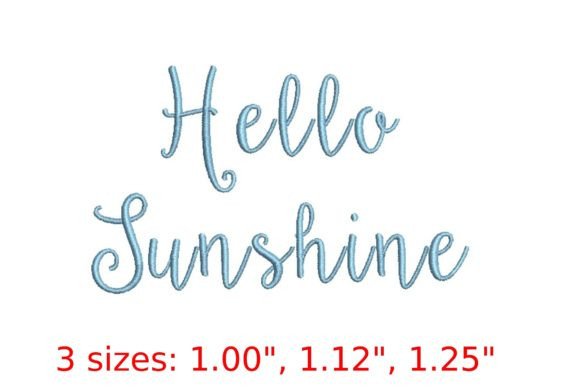
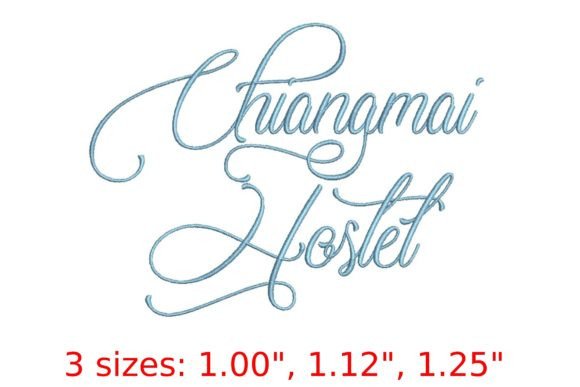
As an embroidery designer who’s stitched over 3,000 personalized gifts—from baby blankets to wedding pillow covers—I approached the Changmai Hostel Embroidery Font with quiet curiosity. It’s not every day a script font carries the warmth of a Thai hostel’s sunlit common room and the ease of shared travel stories. Right away, its charm feels handmade—not overly polished, but intentionally relaxed. The letterforms have gentle swashes, soft entry/exit points, and subtle variation in stroke weight. It reads as friendly, approachable, and quietly confident—never fussy or fragile. This isn’t a formal calligraphy font for engraved invitations; it’s the kind that makes a nursery wall hanging feel like a whispered lullaby or turns a kitchen towel into a conversation starter.
Where This Font Finds Its Truest Home
The Changmai Hostel Embroidery Font shines brightest on products where personality and emotional resonance matter more than precision. Think: a linen baby blanket with a newborn’s name stitched near the corner, a cotton tote bag for a teacher returning to school (“Back To School” takes on new meaning when it’s stitched with this font’s gentle rhythm), or a pillow cover for a couple who met backpacking in Southeast Asia. It’s especially compelling for wedding gifts—imagine “Forever & Chiang Mai” on a framed hoop or “Our First Home” on matching aprons. For Etsy sellers and small shop owners, this font adds instant narrative depth: customers don’t just buy a product—they buy a memory-in-waiting.
It works beautifully across categories: embroidered towel, pillow cover, blanket embroidery, nursery decor, custom tote bag, and even simple apron monograms. Because its lines flow rather than snap, it adapts well to curved surfaces like mug cozies or rounded pillow edges—unlike rigid block fonts that fight the shape. And for craft fair vendors? It photographs exceptionally well: soft shadows, organic texture, and clear legibility even in natural light.
When to Pause—and Plan Ahead
Like any expressive script, the Changmai Hostel Embroidery Font asks for thoughtful application. Avoid using it for text smaller than 1.5 inches tall—delicate terminals and thin strokes may lose definition, especially on dense or textured fabric. On thick terry cloth towels or plush baby blankets, consider simplifying the design by removing optional flourishes (if your embroidery file allows editing) or increasing stitch density slightly for clarity.
Be extra mindful on stretchy fabrics like jersey baby onesies—use cutaway stabilizer and test tension first. Dark fabric demands high-contrast thread colors (ivory, cream, or pale gold instead of white); always run a printable mockup alongside a physical test stitch to confirm readability. And while the font evokes travel and ease, avoid placing it directly over seams, zippers, or highly curved areas like bag gussets—those spots can distort letter spacing during hooping and stitching.
Why Customers Trust What They Can Feel
Handmade quality isn’t just seen—it’s sensed. The Changmai Hostel Embroidery Font contributes significantly to perceived value because it doesn’t look mass-produced. Its slight irregularities mimic human handwriting, signaling care and intention. That emotional connection translates directly to buyer engagement: shoppers linger longer on listings featuring this font, comment about “how personal it feels,” and often upgrade to premium thread or gift wrapping. For wedding gift designers and baby embroidery specialists, that trust means repeat orders and heartfelt thank-you notes.
It also elevates product photography. Because the font has visual breathing room and graceful proportions, it frames beautifully within composition—no cropping needed, no awkward spacing. Pair it with neutral backdrops and natural light, and your finished product looks boutique-ready, even if you’re stitching from a home studio.
Practical Notes Every Embroiderer Should Run Before Going Live
- Always test on scrap fabric—same type, same color, same stabilizer—as your final product.
- Check thread colors against both light and dark fabric mockups. A single shade can read completely differently.
- Confirm your hoop size accommodates the full design width, especially with longer names or phrases.
- Review stitch density: too sparse = fragile details; too dense = stiff, raised texture. Adjust based on fabric weight.
- Use appropriate stabilizer—tear-away for stable cottons, cutaway for knits, and heavy cutaway for terrycloth.
- Inspect small details post-stitch: are terminals crisp? Do loops close cleanly? If not, re-hoop or adjust underlay.
- Verify commercial licensing before selling finished products—this is essential for Etsy sellers, small shop owners, and digital embroidery file resellers.
A Final Thought for Gift-Makers
The Changmai Hostel Embroidery Font isn’t just another machine embroidery design. It’s a quiet invitation—to slow down, to personalize with purpose, to stitch something that feels like a shared smile. Whether you’re creating a personalized gift for a new parent, designing custom embroidery for a boutique’s holiday collection, or building a cohesive line of handmade product listings, this font brings warmth without cliché. It fits seamlessly into the Embroidery category—not as background filler, but as a meaningful voice. And in a world of fast-made goods, that voice is worth every careful stitch.