Teacher Heart Embroidery Design
A Thoughtful First Impression for Boutique Apparel
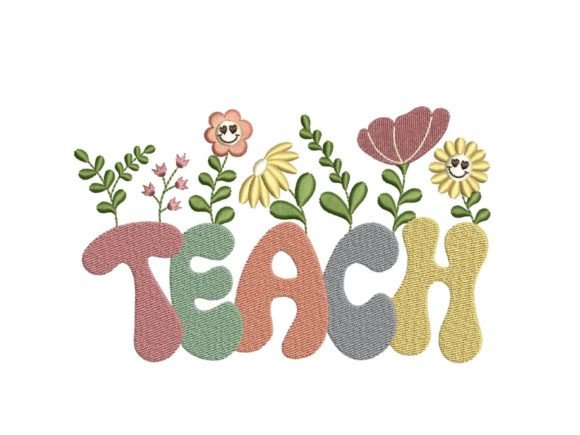
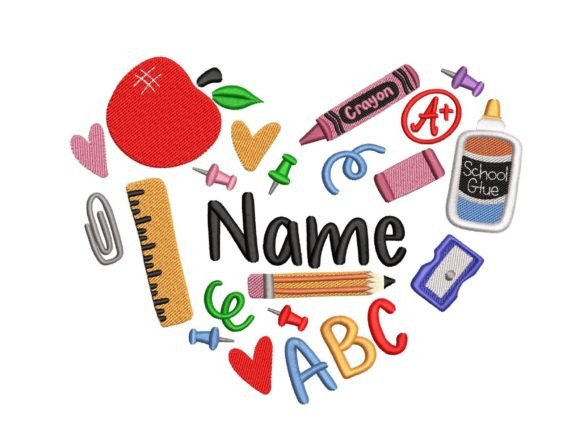
As an embroidery designer who’s developed over 200 custom collections for small clothing brands and Etsy sellers, my first glance at Teacher Heart stopped me mid-scroll. It’s not flashy—but it’s quietly confident. The heart shape is soft-edged, not rigid or overly symmetrical, giving it a handmade warmth. Inside, subtle school tools—pencil, apple, chalkboard icon—are arranged with gentle spacing, avoiding visual clutter. There’s no heavy fill stitching; instead, clean satin borders and delicate stem-stitched outlines suggest thoughtful digitizing. It reads as cute but not cutesy, feminine without being fussy, and playful while staying timeless. For Back To School season, it avoids cliché—it feels like a quiet nod to educators, not a classroom poster.
How Teacher Heart Performs on Real Apparel Projects
I tested Teacher Heart across six garment types I regularly use for boutique drops: neutral heather sweatshirts, pastel hoodies, charcoal crewnecks, oversized t-shirts, medium-wash denim jackets, and natural canvas totes. Here’s what stood out:
- Sweatshirt embroidery: On midweight fleece, the design held crispness without puckering—especially when paired with medium-weight cutaway stabilizer. The heart’s rounded shape flows naturally over the chest curve.
- Hoodie design placement: Centered just below the collarbone (not dead-center chest) gave elegant proportion on oversized hoodies. Its compact scale—likely under 4" wide—means it doesn’t compete with drawcords or pockets.
- Sleeve accents & back designs: Flipped horizontally, it works beautifully on left sleeves of crewnecks. Rotated 90°, it anchors a subtle back yoke detail on lightweight hoodies—ideal for lifestyle product photos where subtlety reads as premium.
- T-shirt embroidery: On 100% cotton tees, I recommend light tear-away stabilizer and slightly reduced top tension. The open interior keeps stitch density manageable—no risk of stiffness or cracking after washes.
- Tote bag design: On canvas, it stitched cleanly at full size. The balanced negative space prevents visual weight, making it feel intentional—not “tacked on.” Perfect for teacher appreciation bundles or school supply kits.
Where to Use Teacher Heart—And Where to Pause
This isn’t a one-size-fits-all embroidery file. Its charm lies in intentionality. Use it thoughtfully:
- Best for: Chest placement on relaxed-fit garments, front-of-hoodie panels, upper-back placements on flowy knits, and centered tote bag fronts.
- Use carefully on: Highly stretchy fabrics (like ribbed cuffs or side seams), curved surfaces like sleeve caps, or dark garments where fine details may soften—always test thread color contrast. Light gray or navy thread on black fabric can mute pencil or chalkboard elements unless you opt for high-contrast white or gold.
- Avoid on: Tiny lettering zones (it has no text), ultra-dense fleece (check stitch density before scaling up), or garments with heavy texture—like bouclé or thick terry—that may obscure delicate outlines.
Impact on Brand Identity and Customer Trust
For small shop owners and Etsy sellers, Teacher Heart does more than decorate—it signals care. Its refined execution supports a premium boutique brand voice. When customers see consistent, well-digitized embroidery across your sweatshirt line, they subconsciously associate your shop with reliability and craftsmanship. That builds buyer trust faster than any description. In social media graphics or printable mockups, its balanced composition holds up even at thumbnail size—critical for Instagram carousels or Etsy listing previews. And because it leans into emotional resonance (appreciation, dedication, quiet pride), it encourages engagement: tags, shares, saved posts. That’s organic reach you can’t buy.
Practical Designer Notes Before You Stitch
Before adding Teacher Heart to your next production run, do these five things:
- Test on scrap fabric that matches your final garment—same weight, knit, and finish. Fleece behaves differently than French terry, even if both are “sweatshirt fabric.”
- Confirm stabilizer choice. Medium cutaway works for most knits; lightweight tear-away suits stable wovens like denim or canvas.
- Review thread color contrast on your base fabric—not just on screen. A warm cream thread on oatmeal sweatshirts reads softer than stark white, which can look clinical.
- Inspect stitch density in the Creative Fabrica embroidery preview. If the center elements appear tightly packed, reduce scale slightly (5–8%) to improve drape and wash durability.
- Check licensing and product details before selling finished apparel. Creative Fabrica’s terms vary by designer—confirm commercial use rights, file formats included (PES, DST, JEF, etc.), and whether the embroidery file includes color change stops or multi-hooping guidance.
One final note: Teacher Heart shines brightest when it’s part of a considered collection—not isolated. Pair it with minimalist monogrammed initials on sleeves, or layer it beneath a delicate script phrase (“Thank You,” “Inspire Daily”) in a second hoop pass. That kind of layered storytelling turns a simple machine embroidery design into signature boutique merchandise.