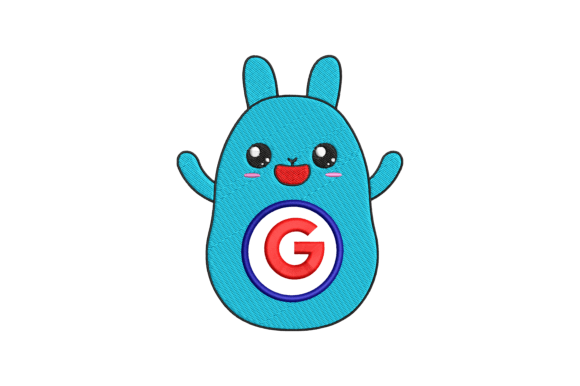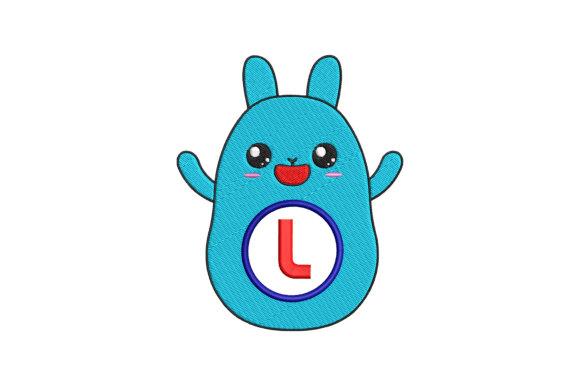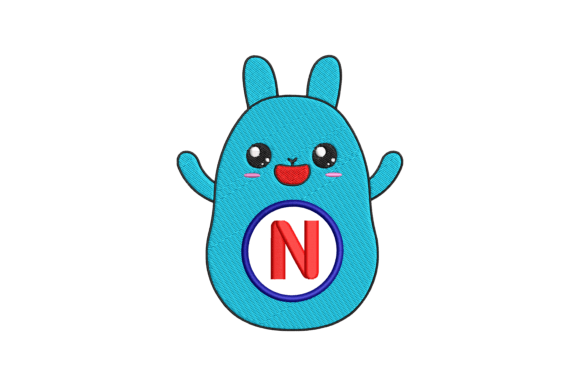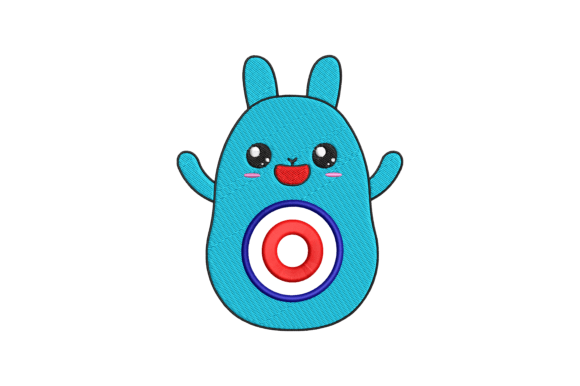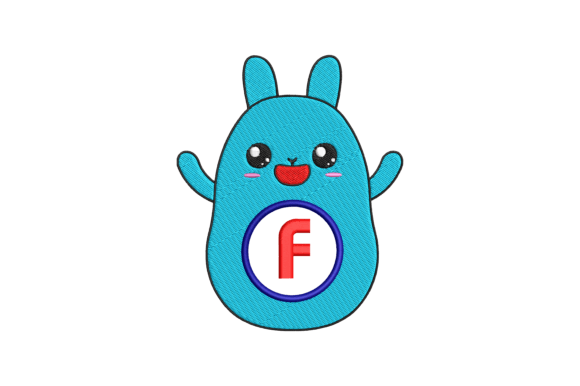
Cute Rabbit Letter F
First Impression: Soft Charm Meets Playful Personality
As an embroidery designer who’s prepped over 200 craft fair booths, I’ll tell you straight: Cute Rabbit Letter F lands with immediate warmth—not loud, not trendy, but quietly magnetic. It reads as soft, whimsical, and gently nostalgic—think farmhouse charm meets modern kindergarten aesthetic. The “F” isn’t just a letter; it’s a character. The rabbit motif adds narrative, personality, and emotional resonance without tipping into cutesy overload. That balance is rare—and exactly why this design stands out in a sea of generic monograms or overworked florals.
Where It Shines on Craft Fair & Handmade Products
Tote bags: Perfect as a centered chest accent (3–4” wide) on natural canvas or oat linen. The rabbit’s rounded shape reads clearly from 6 feet away, and the letter grounds the composition—no need for extra text. Customers gravitate toward it instantly at market stalls.
Aprons: Ideal above the pocket or along the waistband. Its compact scale fits standard apron proportions without competing with functional elements. On denim or cotton twill, the design feels intentional—not like an afterthought.
Tea towel embroidery: Works beautifully in the lower corner or centered mid-panel. Because the rabbit’s features are simplified—not fussy or overly detailed—it holds up against kitchen towel texture and frequent washing. Avoid placing it directly over thick hems or seams where stitch density could cause puckering.
Embroidered patches: A standout candidate. With clean outer edges and balanced negative space, Cute Rabbit Letter F transfers well to iron-on or sew-on patch formats. Great for back-to-school bundles (think “F for First Day!”), teacher gifts, or student tote add-ons.
Caps & curved surfaces: Use caution. The design’s gentle curves adapt better than angular fonts—but test first on scrap fabric stretched in your hoop. Avoid placing it too close to the cap’s front seam or bill curve, where distortion can blur the rabbit’s ear definition.
Pillow covers & small pouches: Excellent focal point at 2.5–3.5”. On linen or cotton sateen, it reads as premium handmade—not mass-produced. Pair it with tonal thread (e.g., heather gray thread on charcoal fabric) for subtle sophistication.
Printable mockups & Etsy listings: Photographs exceptionally well. The contrast between the rabbit’s soft silhouette and crisp letterform creates natural visual hierarchy—ideal for thumbnail visibility. Use neutral, textured backdrops (wood grain, folded linen) to highlight its handmade quality.
Production Reality Check: What You Need to Know Before Stitching
This isn’t a “load-and-go” machine embroidery design. Here’s what demands attention:
- Stitch density: If the rabbit’s face or inner ear contains fine fill areas, they may compress on heavy fabrics like duck cloth or terry cloth. Always test on your target fabric + stabilizer combo.
- Small details: Those delicate whiskers or tiny eyes? They’re charming—but vanish below 2” width. Stick to 2.5” minimum for caps, pouches, or patches.
- Dark fabric limitations: Light thread on black or navy works *only* if the file includes satin-stitch outlines or underlay. Don’t assume—verify in your embroidery software before cutting production.
- Fabric texture matters: On highly napped or looped towels, simplify by reducing fill density in your software or choosing a slightly bolder version if available. Let the rabbit’s shape—not every contour—carry the idea.
Why It Converts at the Booth (& Online)
Cute Rabbit Letter F doesn’t shout—it invites. At a craft fair, that’s gold. Shoppers pause longer when a design feels personal yet universal. It suggests care, playfulness, and quiet confidence—traits buyers associate with trusted handmade products. On a booth display, it strengthens brand consistency across categories: same rabbit motif on a tea towel, matching pouch, and embroidered cap signals intentionality, not randomness.
For Etsy sellers and digital embroidery shops, it’s a versatile anchor design. Bundle it with coordinating alphabet letters or seasonal accents (“Cute Rabbit Letter A for August,” “Rabbit Letter S for School Supply Kit”) to boost average order value. As a standalone digital embroidery file, it appeals to Cricut users upgrading to embroidery machines—and to seasoned stitchers seeking fresh, non-cliché Back To School motifs.
Designer Notes You Can’t Skip
Before you cut your first production run:
- Test Cute Rabbit Letter F on scrap fabric *in your actual hoop*, using your intended stabilizer and thread colors.
- Compare how it looks on light vs. dark fabric—especially around the rabbit’s inner ear and letter counters.
- Check spacing between rabbit and letter: Is there enough breathing room, or does it feel cramped at 3”? Adjust if needed.
- Confirm hoop size compatibility. Does it fit comfortably in your most-used hoop—or will you need re-hooping mid-stitch?
- Create at least one real-world mockup: embroider it on your chosen tote bag fabric, photograph it in natural light, and compare to your digital listing images.
- Review commercial licensing terms. If selling finished products (not just the file), ensure the license permits unlimited physical use.
The Bottom Line for Creative Entrepreneurs
Cute Rabbit Letter F is more than a machine embroidery design—it’s a conversation starter, a value amplifier, and a smart investment in your handmade product line. It performs across categories, photographs with ease, and carries emotional weight without sacrificing clarity. For craft fair sellers, it fills a sweet spot between playful and polished. For Etsy sellers, it’s evergreen enough for year-round listings yet timely for Back To School launches. And for boutique makers? It says, “I pay attention to detail—and I understand what makes a customer smile.” Just remember: respect the details, test thoroughly, and let its quiet charm do the rest.