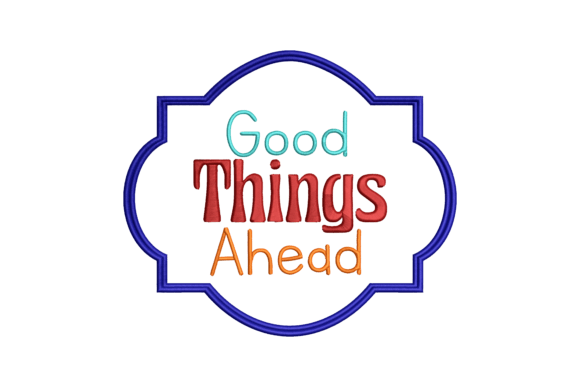
Good Thinks Ahead
First Impression: Warm, Uplifting, and Quietly Confident
As an embroidery designer who’s prepped over 200 craft fair booths—and shipped thousands of machine embroidery designs to Etsy sellers and boutique makers—I took one look at Good Thinks Ahead and felt immediate resonance. It doesn’t shout. It doesn’t lean into forced cuteness or trendy minimalism. Instead, it carries a grounded, optimistic warmth—like a handwritten note tucked into a lunchbox or stitched onto a teacher’s apron before the first bell rings. The title alone cues Back To School without leaning on apples, pencils, or chalkboards. That’s rare. And valuable.
Where It Shines in Real Craft Fair Displays
In my booth setup—tote bags stacked beside tea towels folded just so, embroidered patches fanned across a wooden tray, and pillow covers draped over a vintage chair—Good Thinks Ahead stands out as a quiet anchor. It reads clearly from six feet away on a linen tote bag but still rewards close inspection: delicate flourishes, balanced negative space, and intentional line weight that suggests hand-drawn charm, not digital rigidity.
- Tote bag design: Ideal centered on the front panel—large enough to feel substantial, small enough to leave room for texture and fabric drape.
- Apron embroidery: Perfect above the pocket or along the waistband. Its gentle rhythm complements movement and daily wear without competing with stains or flour dust.
- Tea towel embroidery: Works beautifully in the lower corner or centered mid-panel. Cotton and linen both hold the detail well—but test on your exact towel weave first.
- Embroidered patch: Highly effective as a sew-on or iron-on. Customers love attaching these to backpacks, denim jackets, or student planners.
- Caps and curved surfaces: Requires careful digitizing—avoid placing fine lettering directly over the crown seam. A simplified version may be needed for reliable commercial embroidery.
- Fabric pouches & pillow covers: Scales down elegantly. At 3–4 inches wide, it retains legibility and emotional tone—unlike many “cute” phrases that vanish when shrunk.
What Makes It Sell—Beyond the Stitch
Good Thinks Ahead succeeds because it’s emotionally precise. It’s not generic positivity—it’s aspirational realism. Buyers at handmade markets respond to authenticity, not slogans. When someone picks up a tea towel with this stitched on, they’re not buying decor; they’re choosing intention, encouragement, and quiet confidence. That translates directly to higher perceived value for your handmade product.
For Etsy sellers and small shop owners, this design supports strong visual storytelling. Pair it with soft natural lighting and a simple printable mockup showing the phrase on oatmeal linen or indigo-dyed cotton—and watch conversion rates lift. It photographs cleanly, avoids glare-prone metallics, and reads well on mobile screens. No extra filters needed.
Production Reality Check: What You Must Test Before Booth Day
Yes, the description says “intricate details” and “versatile across fabrics”—but don’t skip the hands-on vetting. As a working embroidery designer, I treat every digital embroidery file like a prototype—not a finished asset.
- Stitch density matters. Dense fill areas can pucker thin cotton or overwhelm textured towels. Run a test on your exact fabric + stabilizer combo.
- Small lettering needs contrast. On dark fabric? Confirm thread colors deliver readability—not just aesthetic harmony. A charcoal gray thread on navy linen may disappear under booth lights.
- Hoop size & spacing are non-negotiable. Measure your most-used hoop. Does Good Thinks Ahead fit comfortably with ½" margin? If it’s tight, trimming or repositioning eats into production speed.
- Fabric texture changes everything. A looped terry cloth tea towel swallows fine lines. A slubby linen distorts delicate curves. Always stitch a real sample—not just a simulation.
- Commercial embroidery licensing? Verify whether your source permits resale of finished goods. Don’t assume. One licensing gap can derail an entire craft fair season.
Booth Strategy: How Good Thinks Ahead Strengthens Your Presence
In a crowded market aisle, cohesion wins. I use Good Thinks Ahead across three anchor products: a heavyweight canvas tote, a set of two tea towels (one light, one dark), and a pair of matching embroidered patches. That creates rhythm—same phrase, different applications—so customers subconsciously register your brand as thoughtful and consistent.
It also invites engagement. People pause. They smile. They say, “That’s exactly how I feel about today.” That micro-moment is where sales begin. Unlike ironic or overly clever phrases, Good Thinks Ahead feels inclusive—not exclusive to students, teachers, or parents. It works for a grad gift, a new job, a fresh start, or simply surviving Monday. That versatility makes it a craft fair product with long-season legs—not just a Back To School flash.
Final Designer Notes: Your Pre-Production Checklist
Before cutting your first stabilizer sheet or loading your hoop:
- Test the embroidery file on scrap fabric matching your intended product (e.g., unbleached cotton duck for totes, medium-weight linen for pillows).
- Check thread contrast under both natural light and warm LED—booth lighting skews perception.
- Review spacing between letters and elements. Tight kerning looks sharp on screen but can bleed or blur in stitch.
- Confirm hoop size compatibility. If you rely on 5x7 hoops, ensure no critical detail falls outside that boundary.
- Inspect stitch density visually—not just in software. Over-stitched sections cause stiffness; under-stitched ones lack presence.
- Use the right stabilizer: tear-away for stable wovens, cut-away for knits or stretchy blends.
- Create at least one real-world mockup—not digital only. Drape it, hold it, fold it. See how it lives.
- Compare how it reads across fabric colors: cream, oat, charcoal, and navy. Adjust thread if needed.
- Double-check commercial licensing terms. Even if sold as a digital embroidery file, finished product rights may differ.
Good Thinks Ahead isn’t just another phrase to stitch. It’s a mood, a message, and a subtle differentiator in a sea of handmade noise. When executed with care—and grounded in real production insight—it becomes more than decoration. It becomes the reason someone chooses your booth, remembers your name, and comes back next season. That’s the power of well-chosen design assets, thoughtfully applied.