Holloway Font Review
First Impressions: A Timeless Elegance
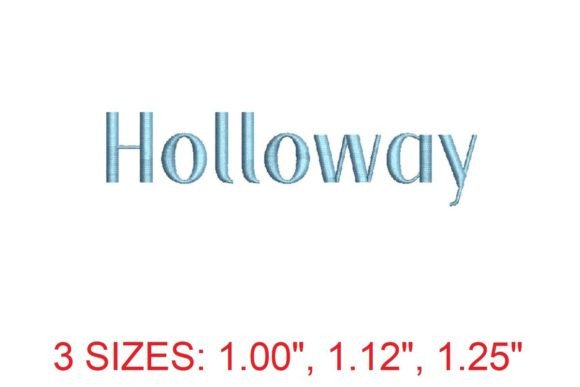
The first time I laid eyes on Holloway Font, I was struck by its clean, classic lines and balanced proportions. It exudes a sense of sophistication that feels both modern and nostalgic. The letterforms are well-proportioned, with a subtle contrast between thick and thin strokes that adds visual interest without overwhelming the eye. This font feels like it could belong on a vintage sign or a contemporary boutique label—versatile enough to fit a variety of projects.
Real-World Use Case: Custom Embroidered Tote Bag
I recently had the chance to test Holloway Font on a custom tote bag for a client. The design was meant to be used in a Back To School theme, and the font’s clean aesthetic made it an ideal choice. When stitched onto cotton canvas, the letters maintained their shape and clarity, even when viewed from a distance. The stitch density was appropriate, ensuring the design didn’t look too busy or too sparse. It worked well with a white thread on a light-colored fabric, but I also considered how it would look on darker tones, which I’ll get to later.
Performance in Real-Life Embroidery Projects
Holloway Font performs admirably across a range of embroidery applications. From sweatshirt embroidery to applique designs, it holds up well. On custom apparel, it adds a refined touch without overpowering the garment. I’ve also used it on embroidered patches and pillow covers, where its legibility and simplicity shine. For holiday embroidery or wedding gifts, the font’s timeless appeal makes it a safe yet stylish option.
Considerations for Specific Fabric Types
While Holloway Font is generally reliable, there are a few situations where it might require extra attention. On thin or stretchy fabrics, the design can sometimes distort slightly. I recommend using a proper stabilizer and checking the hoop size before stitching. Darker fabrics may also benefit from a contrasting thread color to ensure visibility. Additionally, when working with curved surfaces like caps or hats, the font’s structure should be tested to avoid any awkward gaps or overlaps.
Design Notes for Professional and Commercial Use
As a designer, I always advise testing a design on scrap fabric before committing to a final product. This applies especially to Holloway Font. Check the stitch density to ensure it looks sharp and professional. Also, consider how the design will appear in black and white mockups or on different fabric textures. If you’re planning to sell finished products or digital files, make sure you understand the licensing terms and whether the design is suitable for commercial embroidery.
Visual Appeal and Customer Perception
The Holloway Font has a strong impact on the overall visual appeal of a project. Its elegant form suggests quality and care, which can enhance customer trust. In a craft business or Etsy shop, this font can help elevate the perceived value of your handmade products. When used on personalized gifts or nursery decor, it adds a touch of thoughtfulness that resonates with buyers looking for meaningful items.
Practical Tips for Designers and Crafters
- Test on scrap fabric: Always check the design before applying it to your final product.
- Check thread color contrast: Ensure the design stands out on the intended fabric.
- Review stitch density: Too dense or too sparse can affect the overall look.
- Confirm hoop size: Make sure the design fits comfortably within your hoop.
- Inspect small details: Look for any potential issues with corners or edges.
- Use proper stabilizer: Especially on delicate or textured fabrics.
- Compare light and dark backgrounds: Ensure the design works in various settings.
- Confirm licensing: If selling finished products or digital files, verify usage rights.
Conclusion: A Reliable Choice for Versatile Projects
Holloway Font is a dependable choice for designers and crafters looking for a versatile, high-quality embroidery design. Whether you're creating custom apparel, handmade products, or digital embroidery files, this font offers a balance of style and functionality. With careful consideration of fabric type, stitch density, and thread color, it can deliver professional results that meet both personal and commercial needs. As always, take the time to test and refine before finalizing your project.