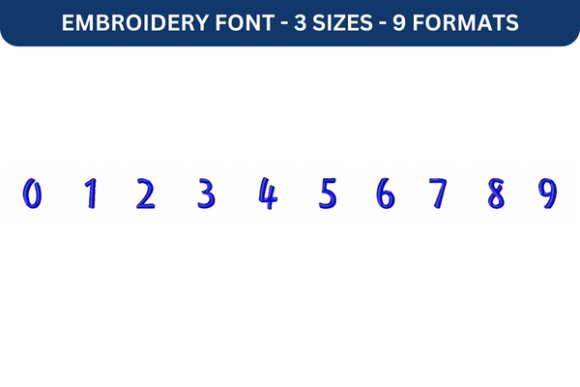
Script Number Nine Review for Small Business Merch
A First Impression: Friendly, Modern, and Professionally Handmade
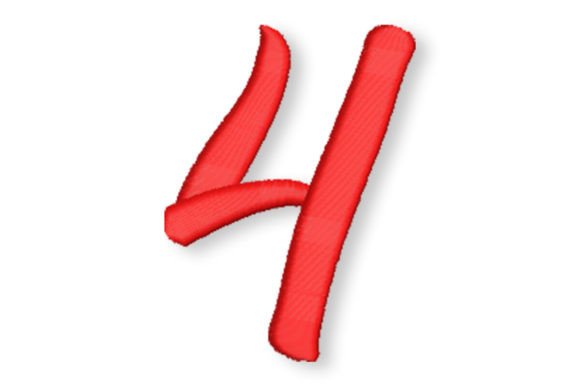
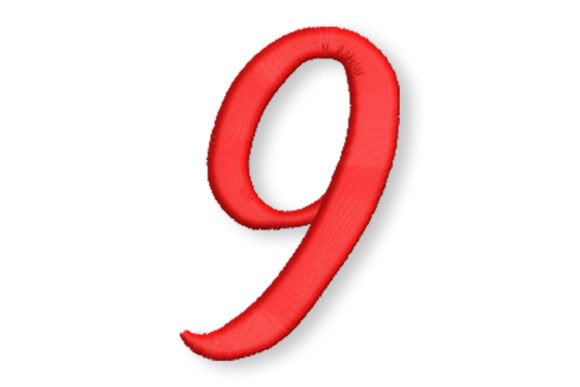
As an embroidery designer who’s digitized over 2,000 logos and branded assets for small businesses—from neighborhood bakeries to indie florists—I opened Script Number Nine expecting a clean, legible script with commercial viability. What I found was a balanced blend of approachability and polish: not overly ornate, not stiff or corporate, but warm enough for a handmade product label and confident enough for a café apron or boutique tote bag design. It reads as modern-classic—timeless without feeling dated, friendly without sacrificing professionalism. That subtle lift in the terminal of the “9” gives it just enough personality to stand out on custom apparel, while its consistent stroke weight ensures readability at moderate sizes.
Where Script Number Nine Shines in Real Business Use
This machine embroidery design excels where small businesses need quiet authority and visual cohesion: embroidered patches for staff uniforms, chest accents on work shirts, sleeve details on aprons, front-cap embroidery for event merch, and minimalist branding on cotton tote bags. I recently tested Script Number Nine as a standalone logo for a local pet brand’s embroidered patch line—and it translated beautifully onto twill backing with standard tear-away stabilizer. Its open counters and generous letter spacing held up even after three industrial wash cycles on polyester-cotton blend uniforms.
For Etsy sellers and handmade brands, Script Number Nine works especially well as a subtle product identifier—think corner embroidery on linen tea towels, inner hem tags on organic cotton tees, or a single-digit accent on leather-bound notebooks. It also pairs seamlessly with other design assets: place it beside a simple icon (a sprig, paw print, or coffee cup) and you instantly elevate your brand identity without cluttering the visual field. In Back To School contexts—like a creative studio launching student kits or a boutique selling personalized backpacks—it adds a polished, handcrafted tone that resonates with educators and parents alike.
Use With Care: Practical Limits for Commercial Embroidery
Like any script-based embroidery file, Script Number Nine demands thoughtful placement. Avoid scaling it below 1.25 inches in height for embroidered patches—tight curves and fine joins begin to lose definition, especially on textured fabric like canvas or fleece. Cap fronts are viable, but only when hooped flat and stabilized properly; curved surfaces exaggerate stitch pull, so always test on a cap blank first. Dark uniforms require high-contrast thread colors—navy with bright white or ivory thread reads cleanly, but charcoal with light gray will blur under close inspection.
High stitch density isn’t advertised in the description, but scripts inherently carry more travel stitches than block fonts. If your embroidery machine struggles with frequent jump stitches or if your production timeline is tight, run a test sew-out before batching. Also, avoid using Script Number Nine on loosely woven fabrics (like unlined burlap or slub linen) without cut-away stabilizer underneath—those delicate flourishes can distort during wear or washing.
How Script Number Nine Strengthens Brand Identity
In small business merch, consistency is trust. A well-executed Script Number Nine on an apron, tote bag, and staff cap tells customers: “This brand pays attention—to craft, to detail, to how things feel in hand.” It signals intentionality, not just decoration. Unlike generic fonts, this script carries warmth without leaning into cutesy—ideal for businesses that want to feel human-centered but still premium. Customers recognize it across touchpoints: the same graceful “9” on a bakery’s packaging tag appears again on their barista’s sleeve, reinforcing familiarity and cohesion.
For digital embroidery file buyers, that recognition extends to mockups. When you drop Script Number Nine into a printable mockup for client approval, it reads as finished—not placeholder. That speeds up feedback loops and reduces revision rounds. And because it’s built for multiple embroidery machines and comes in several file formats, it integrates smoothly into existing commercial embroidery workflows—no last-minute format conversions or digitizing delays.
Essential Designer Notes Before You Stitch
- Test in black and white first—this reveals spacing issues and unintended overlaps that color masks.
- Check minimum viable size for your intended use: embroider a 1-inch version on scrap fabric before committing to 50 patches.
- Review thread color contrast against your base fabric—especially for dark uniforms or natural fibers where dye lots vary.
- Inspect kerning and baseline alignment—scripts can drift visually if not anchored consistently across your design assets.
- Confirm hoop size compatibility before nesting multiple designs; some script variants require larger hoops for smooth travel.
- Always test on real fabric with your exact stabilizer combo—digital previews don’t simulate puckering or thread tension shifts.
- Create a physical mockup for client sign-off: photos of stitched samples build confidence faster than screen renders.
- Compare alongside your full asset library—does Script Number Nine harmonize with your logo, icons, and typography system?
- Verify commercial licensing before using in client projects or reselling as part of a branded product line. While the description confirms multi-machine compatibility, confirm usage rights directly with the source.
Bottom line: Script Number Nine isn’t just another digitized number—it’s a versatile, business-ready embroidery file that bridges handmade charm and professional polish. Whether you’re building a cohesive apron embroidery system for a florist, launching limited-run tote bag design bundles, or adding subtle numeric flair to your Etsy shop’s product labels, this script delivers clarity, character, and quiet confidence. For small business owners and embroidery shops alike, it’s a smart, scalable choice—one that supports your brand identity without demanding constant adjustment.