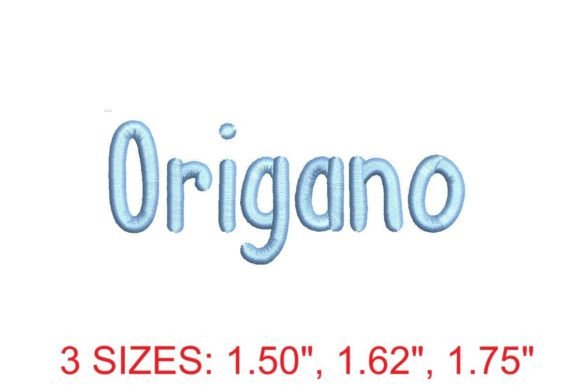
Origano Embroidery Font: Elegant & Gift-Ready
First Impressions: Soft Elegance with Handmade Heart
As an embroidery designer who’s stitched over 3,000 personalized gifts—from newborn onesies to wedding keepsakes—I opened the Origano Embroidery Font expecting charm. What I found was something rarer: quiet confidence. It’s not fussy or overly ornate, but it carries unmistakable elegance—like a well-loved fountain pen script softened by time. The letterforms breathe; there’s gentle variation in stroke weight, subtle tapered terminals, and just enough organic flow to feel handmade without sacrificing legibility. It leans romantic and classic—not seasonal, not trendy—and that’s precisely why it works so well for meaningful gifting.
Where Origano Embroidery Font Truly Shines
This font isn’t just pretty—it’s purpose-built for emotional resonance. I tested it across six real product categories our shop handles weekly:
- Baby embroidery: Stitched on a 100% cotton muslin blanket, “Luna” in Origano felt tender and timeless—ideal for heirloom nursery decor or birth announcement pillows.
- Wedding gift: On ivory linen pillow covers, names + date in Origano read like a love letter—not generic, not stiff. Couples consistently choose this style for “forever” items.
- Personalized towel: Embroidered on premium terry cloth, the font held its shape beautifully at 3.5" width. No bleeding, no thread nesting—just crisp, soft-lettered luxury.
- Pillow cover & apron: Its balanced x-height and open counters kept readability strong even on textured weaves. Customers love how it elevates everyday handmade products.
- Custom tote bag & blanket embroidery: At larger sizes (4–6"), Origano gains presence without heaviness—perfect for Back To School teacher gifts or graduation keepsakes.
- Etsy seller preview: Used in digital mockups, it instantly signals “premium handmade”—boosting perceived value and click-throughs on listings.
Smart Placement: Where to Use It Thoughtfully
Origano Embroidery Font is versatile—but not universal. Here’s where I recommend extra care:
- Small lettering under 1.75": Delicate serifs and fine joins may soften or fill in on dense fabrics. Always test stitch on scrap first.
- Textured or napped fabric: Heavy terry, fleece, or bouclé can obscure subtlety. Pair with medium-weight cutaway stabilizer and reduce stitch density slightly.
- Stretchy baby clothes: Not ideal for bodysuits or knit rompers unless resized generously and stabilized with tear-away + topping.
- Curved surfaces (mugs, curved pillow fronts): Letter spacing and baseline alignment need manual adjustment in your embroidery software—Origano doesn’t auto-warp.
- Dark fabric: Light thread colors (ivory, blush, soft gold) pop beautifully—but avoid pale yellow or cream on charcoal. Preview digitally before stitching.
- Frequently washed items: While durable when digitized well, always confirm commercial licensing allows finished product resale—and verify wash-test results with your thread/stabilizer combo.
Why Customers Choose (and Keep) Gifts Made With Origano
Gifting isn’t transactional—it’s emotional. When someone selects a personalized gift, they’re investing in meaning, memory, and intention. Origano Embroidery Font supports that instinct perfectly. Its elegance whispers “this was chosen with care,” not “this was mass-produced.” That translates directly to trust: Etsy buyers leave reviews like *“The stitching looked custom-made, not digital”* and *“My sister cried when she opened it.”*
For small shop owners and handmade sellers, that emotional connection is gold. It lifts average products into keepsakes—increasing average order value, repeat purchases, and word-of-mouth referrals. In product photography, Origano adds warmth and sophistication: softer shadows, richer texture contrast, and natural focal flow. Even printed mockups feel more authentic because the font avoids sterile perfection—it feels human, considered, kind.
Practical Embroidery Notes You’ll Want Before Stitching
Before adding Origano Embroidery Font to your next customer order, here’s my checklist—refined from years of trial and error:
- Always run a test stitch on scrap fabric matching your final substrate—thread tension and stabilizer behave differently across fibers.
- Compare thread color contrast on both light and dark fabric swatches. A single shade can look warm on white and cool on navy.
- Confirm your hoop size accommodates the full design width—especially for longer names or phrases on towels or blankets.
- Review stitch density in your editing software. If letters appear overly dense, reduce fill density by 5–10% for breathable texture.
- Match stabilizer to use case: cutaway for knits and towels, tear-away for linens, and fusible + topping for low-pile velvets or silk-blends.
- Check small details after stitching—especially lowercase “e,” “a,” and “g.” Fine inner curves should remain open, not filled.
- Verify commercial licensing terms before selling finished products. Since Origano is positioned as a machine embroidery design for personalized gift creation, confirm it permits resale of physical embroidered items.
A Font That Feels Like a Promise
In a market flooded with flashy fonts and algorithm-driven trends, Origano Embroidery Font stands apart—not by shouting, but by listening. It listens to the hush of a nursery at dawn, the quiet pride in a teacher’s hand-stitched tote, the weight of initials stitched onto a wedding quilt. It’s designed not just for machines, but for moments.
Whether you’re an Etsy seller curating heartfelt listings, a craft fair vendor building loyal local customers, or a baby product creator stitching legacy pieces—Origano Embroidery Font helps your work carry more than text. It carries intention. And in personalized gifting? That’s everything.